TLDR: For PPF gravel roads Utah coverage, start with the front bumper, hood, fenders, mirrors, and headlights, then inspect the paint along the rockers, lower doors, and behind the wheels. Occasional trailhead access may call for full-front protection plus one or two targeted lower-body sections. Frequent gravel, rural-route, or work-site driving makes high-impact coverage easier to justify. Tire width, wheel position, mud flaps, flares, running boards, and plastic cladding can all change which panels need film.
The most useful way to evaluate PPF gravel roads Utah coverage is to follow the debris path rather than choose a package by name. The front end meets rocks thrown by vehicles ahead, while your own tires can direct loose material toward lower doors, rocker panels, and painted sections near the rear wheels. Two vehicles traveling the same road may therefore need different coverage.
Begin with where gravel actually hits
Park the vehicle in good light and inspect it from the front corners, along both sides, and around each wheel opening. Look for painted surfaces that face forward or flare outward into the path of airborne material. Small chips, dull patches, and concentrated speckling can reveal an existing impact pattern, although damaged paint may need correction before film is installed.
Pay particular attention to these zones:
- Front bumper, hood, front fenders, mirror caps, and headlights
- Painted rocker panels and low body extensions
- Lower sections of the front and rear doors
- Paint immediately behind the front tires
- Rear-door or rear-quarter sections that flare outward
- Painted areas ahead of and behind the rear wheel openings
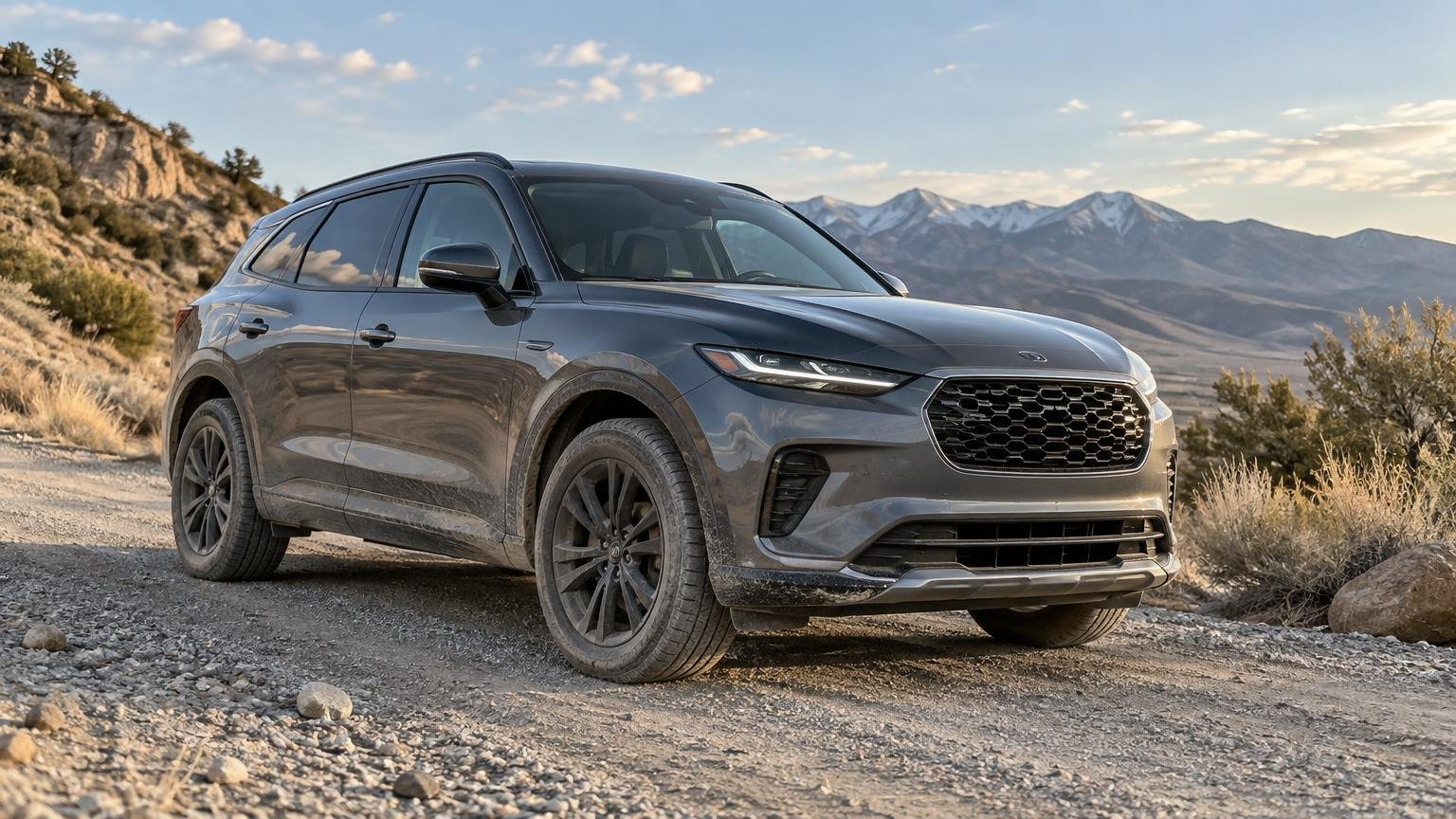
Trucks and SUVs deserve a careful lower-body inspection because tire size, wheel openings, flares, stance, and exposed painted panels can alter where debris lands. UtahPPF specifically identifies rockers, lower doors, and rear-wheel impact areas as relevant exposure zones for these vehicles. The same reasoning can apply to crossovers, performance cars, and EVs with wide tires or sculpted side panels.
Why full-front PPF still matters
Gravel use does not make front-end protection less important. Rocks thrown by traffic can reach the bumper, hood, fenders, mirrors, and lights before debris from the vehicle’s own tires becomes relevant. UtahPPF describes a typical full-front PPF package as covering the bumper, full hood, full fenders, mirrors, and often the headlights. Because package definitions vary, confirm every panel rather than assuming the name guarantees a particular map.
Loose aggregate is not limited to unpaved roads. Utah Department of Transportation chip-seal guidance tells drivers to slow down and leave more space because vehicles can throw gravel into adjacent lanes. The practical lesson is that a driver can encounter loose material on a treated paved route as well as on a trailhead road. Read UDOT’s chip-seal guidance.
For a normal Utah daily driver that occasionally reaches a campsite or ski access point over maintained gravel, full-front PPF is a sensible baseline. The next question is whether the tires are also sending material into exposed side paint.
When front-end coverage leaves paint exposed
Full-front coverage stops at the front panels. It does not automatically protect painted rockers, the bottoms of the doors, or rear-wheel impact sections. If those surfaces sit directly behind a tire or project outward from the body, they may remain in the debris path.
This is where high-impact PPF coverage becomes useful. Instead of covering every painted panel, it adds selected zones beyond the conventional front end. UtahPPF frames high-impact protection as the option between standard front coverage and full-body PPF. The exact map should follow the vehicle rather than a generic template.
Before adding film, distinguish painted surfaces from textured plastic cladding. A truck with broad unpainted flares, running boards, and plastic rocker trim may already have fewer vulnerable painted areas down low. Another truck may look rugged but have painted door bottoms and rear-quarter projections directly exposed to tire spray. The vehicle badge does not settle the question.
Occasional trailhead access versus frequent gravel driving
| Driving pattern | Practical starting point | What to inspect before approving the quote |
|---|---|---|
| Occasional maintained gravel or trailhead access | Full front, with targeted lower-body film only where paint is clearly exposed | Paint behind the front tires, rocker ends, and any outward-flaring rear quarter |
| Regular gravel roads, rural routes, or recreation access | Full front plus a vehicle-specific high-impact map | Rockers, lower doors, rear-wheel impact areas, flares, and painted body extensions |
| Frequent work-site, ranch-road, or long gravel travel | Broad high-impact or full-body comparison | All exposed painted panels, current gravel rash, seams, replacement zones, and total project scope |
These are starting points rather than universal prescriptions. Frequency matters, but so do speed, following distance, road condition, tire setup, and the amount of exposed paint. A few slow trips on maintained access roads do not automatically make full-body film necessary. Conversely, repeated gravel travel can justify protecting lower panels even on an older daily driver if preventing additional wear matters to the owner.
For occasional use, begin with the front and add only the side sections that have a direct exposure path. For frequent gravel use, ask for a complete impact-zone review and compare the price of high-impact coverage with full-body PPF. Full-body coverage reduces the number of exposed painted panels, but it also expands the project substantially. The better value depends on how broadly debris reaches the body and how much exposed paint the owner is willing to accept.
How tires, flares, running boards, and mud flaps affect coverage
A larger or wider tire can change the debris pattern, especially when the tread extends beyond the body or flare. Wheel offset, lift height, open wheel wells, and the shape of the rocker area also influence which surfaces sit in the path. UtahPPF advises evaluating these configuration details when planning PPF for a truck or SUV.
Mud flaps may reduce the amount of material thrown toward the body, but they should not be treated as a guaranteed substitute for PPF. Their usefulness depends on width, length, placement, tire projection, and the shape of the vehicle. If mud flaps are planned, installing them before finalizing the film map can make sense because the installer can evaluate the completed setup.
Running boards and flares can act as physical barriers in some locations, yet they may leave adjacent paint exposed. They can also create edges where the film layout needs careful planning. Ask the installer to identify what the hardware shields, what remains in the impact path, and whether removal is needed for the proposed installation.
PPF, ceramic coating, vinyl wrap, and mud flaps have different jobs
PPF is a polyurethane film intended to help protect automotive paint from stone chips and abrasion. One manufacturer, XPEL, documents that intended purpose and reports product testing under defined conditions for its ULTIMATE PLUS film; that evidence describes the named product and test, not a promise that any film will stop every impact.
Ceramic coating can support gloss, water behavior, and easier cleaning, but it is not a substitute for a physical film when rock impacts are the main concern. Vinyl wrap is used primarily for appearance changes rather than as the default answer for rock-chip protection. UtahPPF keeps these functions distinct. Mud flaps are another complementary measure: they address some tire-thrown debris, while film protects the specific painted surface beneath it.
Understand what PPF can and cannot do
PPF is a sacrificial layer, not armor. It can take abrasion and impacts that would otherwise reach exposed paint, but a sharp or forceful strike may puncture or tear the material. Manufacturer support guidance also notes that deeper damage can require repair or replacement. Coverage reduces exposure only on the panels actually wrapped.
That makes replaceability part of the purchase decision. Ask whether a damaged rocker or rear-wheel section can be replaced independently, where seams will sit, and how existing chips will look beneath clear film. Owners should also learn how to wash and inspect the material; this Utah PPF care guide explains routine ownership without treating the film as indestructible.
Questions to ask when comparing gravel-road PPF quotes
If two quotes use different coverage maps, they are not the same job yet. Ask each installer to mark the proposed boundaries on photos or a panel diagram, then normalize the scope before comparing price.
- Does “full front” include the complete hood and fenders, mirrors, and headlights?
- Which portions of the rockers and lower doors are included?
- Does rear-wheel protection cover only a small patch, or the full painted impact area?
- Which lower sections are painted, plastic-clad, or shielded by factory hardware?
- How do the current tires, wheel offset, flares, running boards, and mud flaps affect the recommended map?
- What paint preparation is required where chips or gravel rash already exist?
- What film product and finish are being quoted, and what warranty terms apply?
- Where will seams and film edges be visible?
- Can a damaged high-impact section be replaced without redoing adjacent panels?
- What is the total price for the same panel map and included preparation?
Avoid comparing a low quote for front-only protection with a higher quote that includes rockers, lower doors, and rear-quarter impact zones. First make the covered panels, film product, preparation, edge treatment, finish, and add-ons equivalent. Then compare price and installer fit.
Choose the package from the vehicle outward
For occasional Utah trailhead or campsite access, start by pricing full-front PPF and inspecting the paint directly behind the tires. Add targeted rocker, lower-door, or rear-wheel sections only when their exposure is clear. For regular gravel, rural-route, canyon-access, or work-site driving, compare high-impact coverage that protects the front and the lower-body debris path. Consider full-body PPF when exposure is broad and leaving most side paint uncovered would defeat the owner’s goal.
The next step is a vehicle-specific review, not a package-name guess. Bring photos of the roads you drive if useful, disclose any planned tire or mud-flap changes, and ask the installer to identify every painted panel in the likely impact path. That produces a quote based on how the vehicle is used—not merely what category it belongs to.
5 thoughts on “PPF for Gravel Roads in Utah: Where Protection Matters Beyond the Front Bumper”